easyJet Flight U24429 Emergency: What Actually Happened on the Lyon to Porto Flight
Table of Contents
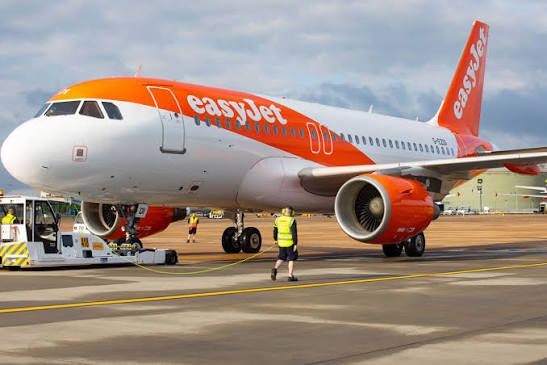
Several articles online about the easyJet flight U24429 emergency repeat the same dramatic phrases without explaining clearly what happened, why the crew acted the way they did, or what the outcome actually was. This guide lays out the verified facts in a clear, factual timeline — without sensationalising a situation that, while serious, was resolved safely.
What was easyJet Flight U24429?
easyJet flight U24429 (also listed as EJU4429) was a scheduled short-haul service operated by an Airbus A320 between Lyon-Saint Exupéry Airport in France and Porto in Portugal. The flight departed Lyon at 18:34 CEST on 22 August 2025, around an hour behind its scheduled time.
Shortly after departure, the flight became the centre of an in-flight emergency that required the aircraft to turn back to Lyon.
What Happened During the easyJet Flight U24429 Emergency
The aircraft, registration OE-IJL, had climbed to around 20,000 feet when the flight crew declared an emergency. Air traffic control recorded the transponder squawking code 7700 — the universal signal used by aircraft worldwide to indicate a general emergency requiring priority handling.
The emergency was not caused by a technical or mechanical fault with the aircraft. According to French police, who later confirmed details of the incident, a 26-year-old Portuguese passenger attempted to force his way toward the cockpit shortly after takeoff. Medical assessment after the flight indicated the passenger was experiencing airsickness alongside an acute psychological episode.
Cabin crew, supported by nearby passengers, were able to restrain the individual before the aircraft landed. easyJet confirmed in a statement that the flight returned to Lyon due to the behaviour of a passenger on board, and that police met the aircraft on arrival.
No injuries were reported among passengers or crew.
Also Read: Guia Silent Hill Geekzilla: Full 2026 Guide
Timeline of the easyJet Flight U24429 Emergency
| Time (CEST) | Event |
|---|---|
| 18:34 | Flight U24429 departs Lyon-Saint Exupéry on runway 35L, bound for Porto |
| Shortly after takeoff | The aircraft climbs to approximately 20,000 feet; the passenger incident begins |
| In-flight | Crew declares an emergency; transponder squawks code 7700 |
| In-flight | Cabin crew and passengers restrain the disruptive individual |
| Approx. 19:19 | Aircraft lands safely back at Lyon on runway 35R, around 45 minutes after departure |
| After landing | Aircraft taxis to a remote stand; French police and medical teams meet the flight |
| Later that evening | The passenger is removed from the aircraft and taken for medical evaluation; the flight continues to Porto |
Why Did the Crew Declare an Emergency?
Squawk 7700 does not necessarily mean an aircraft is about to crash. It is a standardised code used across global aviation to tell air traffic control that a flight needs immediate priority handling, for any number of reasons — medical emergencies, technical issues, fuel concerns, or, as in this case, a security-related passenger incident.
Any attempt by a passenger to approach or access a cockpit is treated with the highest level of seriousness in modern commercial aviation. Cockpit access has been tightly restricted across the industry for decades, and crew are trained to respond immediately and decisively to any breach attempt, regardless of the passenger’s intent or state of mind.
Once the cabin crew identified the risk, the flight crew made the decision to halt the climb and return to the nearest suitable airport — in this case, the airport the flight had just departed from. This is a standard and well-practised response. Continuing toward Porto would have extended the period of risk onboard, while a prompt return allowed faster access to medical and security support on the ground.
How Common Are Disruptive Passenger Incidents?
The easyJet flight U24429 emergency is part of a broader pattern that has drawn attention across the aviation industry in recent years.
According to data from the International Air Transport Association (IATA), disruptive passenger incidents have increased significantly since the COVID-19 pandemic. In 2022, IATA recorded one disruptive event for every 568 flights worldwide, compared to one in every 835 flights before the pandemic — a meaningful rise in incidents ranging from verbal disputes to physical altercations and, in rare cases, attempts to interfere with crew or cockpit security.
While incidents as serious as an attempted cockpit breach remain uncommon, the broader trend has placed additional pressure on cabin crews across the industry and prompted airlines to review training and onboard procedures.
Also Read: Is Sparx Reader Actually Effective? An Honest Look at Results
How Cabin Crew Are Trained to Handle These Situations
Cabin crew receive specific training for managing disruptive or distressed passengers, which includes:
- de-escalation techniques to calm a situation before it worsens
- Physical restraint procedures are used only when necessary and only with support from other crew or passengers
- clear, calm communication with passengers nearby to prevent wider panic
- a direct communication channel to the flight deck so pilots can make informed decisions quickly
- coordination with ground authorities to ensure police and medical teams are ready on arrival
In the case of flight U24429, this training was put into direct practice. Passengers on board later described the crew’s communication during the event as calm and clear, which is widely seen as a key factor in preventing a tense situation from escalating further.
What Happened After the Aircraft Landed?
After landing safely back in Lyon, the aircraft was directed to a remote stand rather than a standard gate — a routine precaution when police and medical personnel need to access an aircraft directly.
French police boarded the aircraft, took the passenger into custody, and transported him for medical evaluation. easyJet confirmed that once the disruptive individual had been removed, the aircraft was cleared to continue its journey, departing again for Porto later the same evening.
The overall disruption — from initial emergency declaration to the aircraft’s eventual departure for Porto — added a delay of several hours to the journey for the passengers on board, though the flight ultimately reached its destination as planned.
Was the Aircraft Itself in Danger?
This is one of the most common questions people have after reading headlines about the incident, and it deserves a direct answer: no, the aircraft itself was never reported to be in technical danger.
The Airbus A320 involved functioned normally throughout the flight. The emergency was entirely related to passenger behaviour and onboard security, not to any fault with the aircraft, its engines, or its systems. This distinction matters — it clarifies that the situation was a security and safety management event handled by crew, rather than an aviation engineering failure.
Frequently Asked Questions
What caused the easyJet flight U24429 emergency?
The emergency was caused by a disruptive passenger who attempted to approach the cockpit shortly after the flight departed Lyon. Medical assessment indicated the individual was experiencing airsickness combined with an acute psychological episode. It was not caused by any technical fault with the aircraft.
Where was easyJet flight U24429 flying to?
The flight was travelling from Lyon-Saint Exupéry Airport in France to Porto in Portugal, a route that normally takes around two hours. Following the emergency and return to Lyon, the flight eventually continued on to Porto later the same evening.
What does squawk 7700 mean?
Squawk 7700 is a universal transponder code used in aviation to signal a general emergency to air traffic control. It alerts ground authorities that an aircraft requires immediate priority handling, for reasons that can include medical emergencies, technical issues, or security incidents such as the one on flight U24429.
Was anyone injured during the easyJet flight U24429 emergency?
No injuries to passengers or crew were reported. The disruptive passenger was restrained safely by cabin crew with assistance from other passengers, and the aircraft landed without incident.
What happened to the passenger involved? French police met the aircraft on landing and took the individual into custody before he was transported for medical evaluation. easyJet confirmed the passenger was removed from the aircraft, after which the flight continued on to Porto.
Final Thoughts
The easyJet flight U24429 emergency was a serious but ultimately well-managed incident. A passenger experiencing acute distress attempted to approach the cockpit, and the crew responded exactly as they are trained to — calmly, quickly, and with the priority placed firmly on the safety of everyone on board.
The aircraft itself was never at technical risk. The emergency declaration, the squawk 7700 code, and the decision to return to Lyon were all standard procedural responses designed to manage a security and safety concern as efficiently as possible.
Incidents like this are a reminder of the rising pressure cabin crews face from disruptive passenger events industry-wide — but also a reminder that, when protocols are followed correctly, even a frightening situation in the air can end safely on the ground.